Organizations that continuously monitor their internal activity, that is, what happens to critical files and to user or system access, not only improve their protection but also enhance their ability to respond to threats in real time. In a digital landscape of increasingly sophisticated threats, such monitoring is a key line of defense for protecting information assets, ensuring data integrity, and meeting current regulatory requirements.
Continuous monitoring is the process by which an organization constantly oversees systems, files, access, and events related to its digital infrastructure in order to detect anomalies or unauthorized actions without having to wait for spot checks or scheduled audits. This type of monitoring contrasts with traditional approaches that are limited to periodic audits and therefore create wider exposure windows before incidents are detected.
While a security audit is typically conducted at predefined intervals (quarterly, semiannually, or annually), continuous monitoring operates on an ongoing basis. This means that security controls not only generate logs periodically but remain active at all times, enabling the detection, alerting, and response to events in real time. This ability to reduce the amount of time an attacker remains undetected within a system, known as dwell time, is one of the main benefits of real-time monitoring.
Critical system files, such as configuration files, system binaries, or documents containing sensitive information, are frequent targets of attacks or unauthorized modifications. File Integrity Monitoring (FIM) enables the immediate detection of any changes to these resources, making it an essential component for ensuring data integrity and the stability of the operating environment.
When a suspicious change is identified based on predefined rules, monitoring systems generate automatic alerts that allow security teams to respond before the incident escalates into a higher-impact breach.
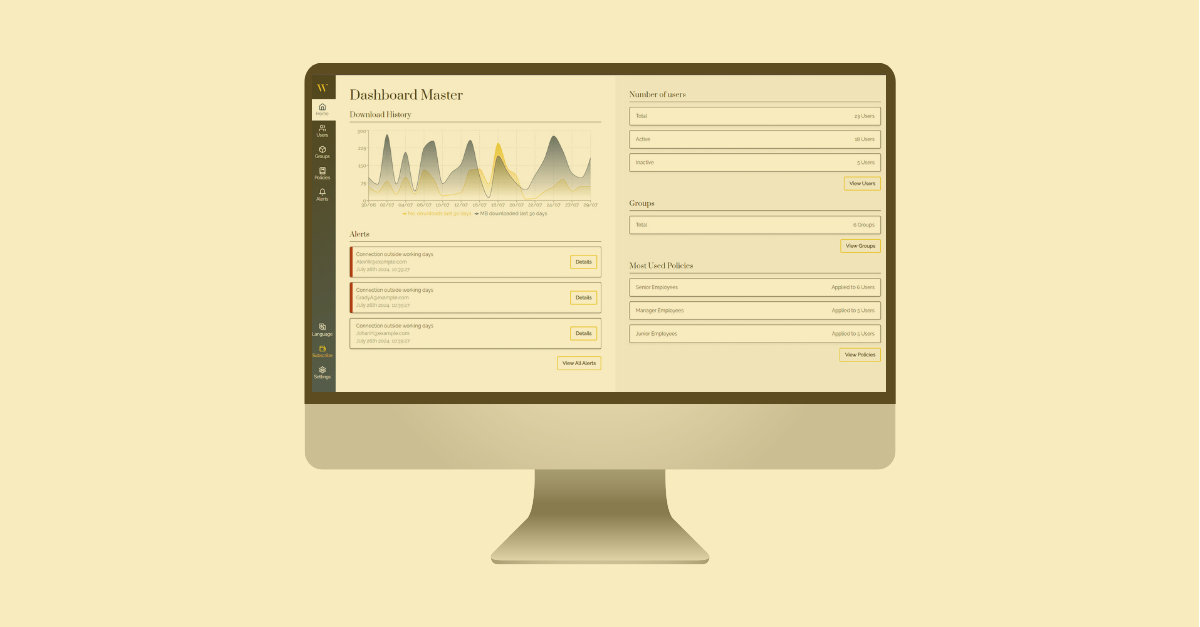
Continuous monitoring provides a comprehensive, real-time view of how files change and who accesses them. This deep visibility is not only critical for detecting threats but also for understanding legitimate usage patterns versus anomalous behavior, making it easier to prioritize actions and optimize security responses.
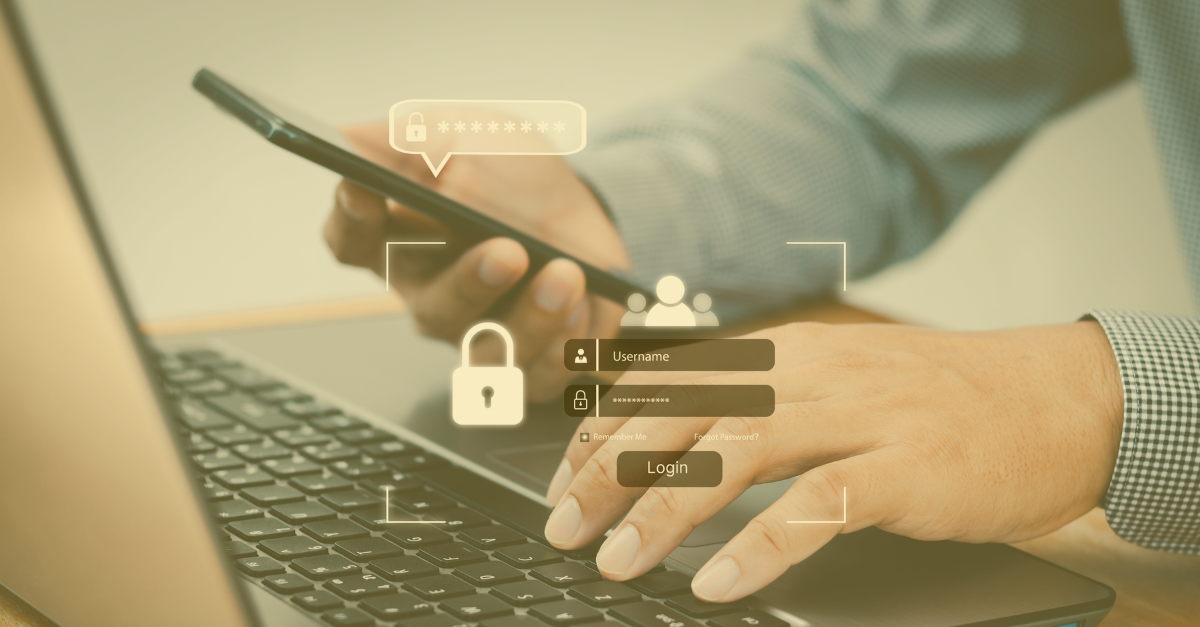
Internal access includes logins, privilege escalations, requests for special permissions, or any operation involving access to resources within an organization’s infrastructure. It’s not just about tracking which users access which data, it’s about monitoring how, when, and from where they do so. This level of detail is crucial for distinguishing between legitimate actions and potential access abuses.
Not all security incidents come from external actors; many breaches stem from human error or malicious behavior from within the organization itself. Continuous monitoring of internal access allows organizations to:
This type of oversight helps organizations not only respond quickly but also prevent a minor incident from escalating into a major breach.
Many international information security standards and regulations recommend, or even require, the implementation of continuous monitoring controls. For example:
These obligations are designed not only to strengthen overall security posture but also to support auditing and traceability of security events for compliance purposes and legal defense in the event of incidents.
Continuous monitoring does not operate in isolation; it is part of a broader security ecosystem that should integrate tools such as Security Information and Event Management (SIEM) systems, User and Entity Behavior Analytics (UEBA), and other advanced visibility solutions. This integration enables pattern correlation, detection of complex threats, and automated incident response.
Traditionally, many organizations took a reactive approach, acting only after an incident occurred. Continuous monitoring shifts this perspective, allowing organizations to anticipate and mitigate risks before they trigger security failures. This not only reduces the financial impact of attacks but also strengthens the organization’s operational resilience.
Implementing a robust continuous monitoring system can seem complex. It requires sophisticated tools, adequate infrastructure, and trained personnel to interpret data and manage alerts. However, as organizations gradually adopt this approach, both incident response costs and the risks associated with security breaches decrease.
One of the main challenges lies in distinguishing truly critical alerts from operational “noise.” This requires advanced configuration of monitoring systems and a team capable of prioritizing risks based on asset criticality and the operational context.
Continuous monitoring of files and internal access is a cornerstone of modern cybersecurity. It not only provides the ability to detect and respond to threats in real time but also ensures visibility, regulatory compliance, and an advanced security posture in an increasingly hostile environment. Organizations that implement robust continuous monitoring systems strengthen their resilience, reduce dwell time for threats, and ensure that critical data and systems are protected against both internal and external incidents.